

Starting GLP-1 injectables and other weight loss medications requires a thorough medical evaluation to ensure safety and efficacy. At Calia Wellness & Aesthetics in Northwest Austin, this process is designed to be comprehensive and personalized. The evaluation focuses on your metabolic health, hormonal balance, and overall wellness history before any treatment begins.
1. Comprehensive Health History Review
Your medical background sets the foundation for safe treatment. The provider will review your complete medical history, including any chronic conditions, past surgeries, and family history of metabolic or cardiovascular disease. This step helps identify potential contraindications or risk factors that could influence the choice of weight loss medication. It also establishes a baseline for understanding how your body has responded to previous lifestyle changes or treatments.
2. Detailed Medication and Supplement Audit
Identifying interactions is critical for patient safety. A full audit of current prescriptions, over-the-counter drugs, and supplements is conducted to prevent adverse interactions. Some medications can affect how GLP-1 injectables are metabolized or may cause conflicting side effects. This review ensures that your current regimen is compatible with the new treatment plan and allows for necessary adjustments before starting.
3. Comprehensive Laboratory Testing
Blood work provides objective data on your metabolic health. Labs typically include a complete metabolic panel, lipid profile, and thyroid function tests to assess baseline organ function. These results help determine if there are underlying issues, such as insulin resistance or thyroid dysfunction, that need to be addressed concurrently. The data also serves as a benchmark to track progress and adjust dosages over time.
4. Hormonal and Metabolic Assessment
Hormone optimization is often integral to sustainable weight management. The evaluation includes an assessment of hormonal balance, which can significantly impact weight retention and energy levels. At Calia Wellness & Aesthetics, functional medicine principles are applied to understand how hormones interact with metabolic processes. This holistic view ensures that the weight loss strategy supports your body's natural chemistry rather than fighting against it.
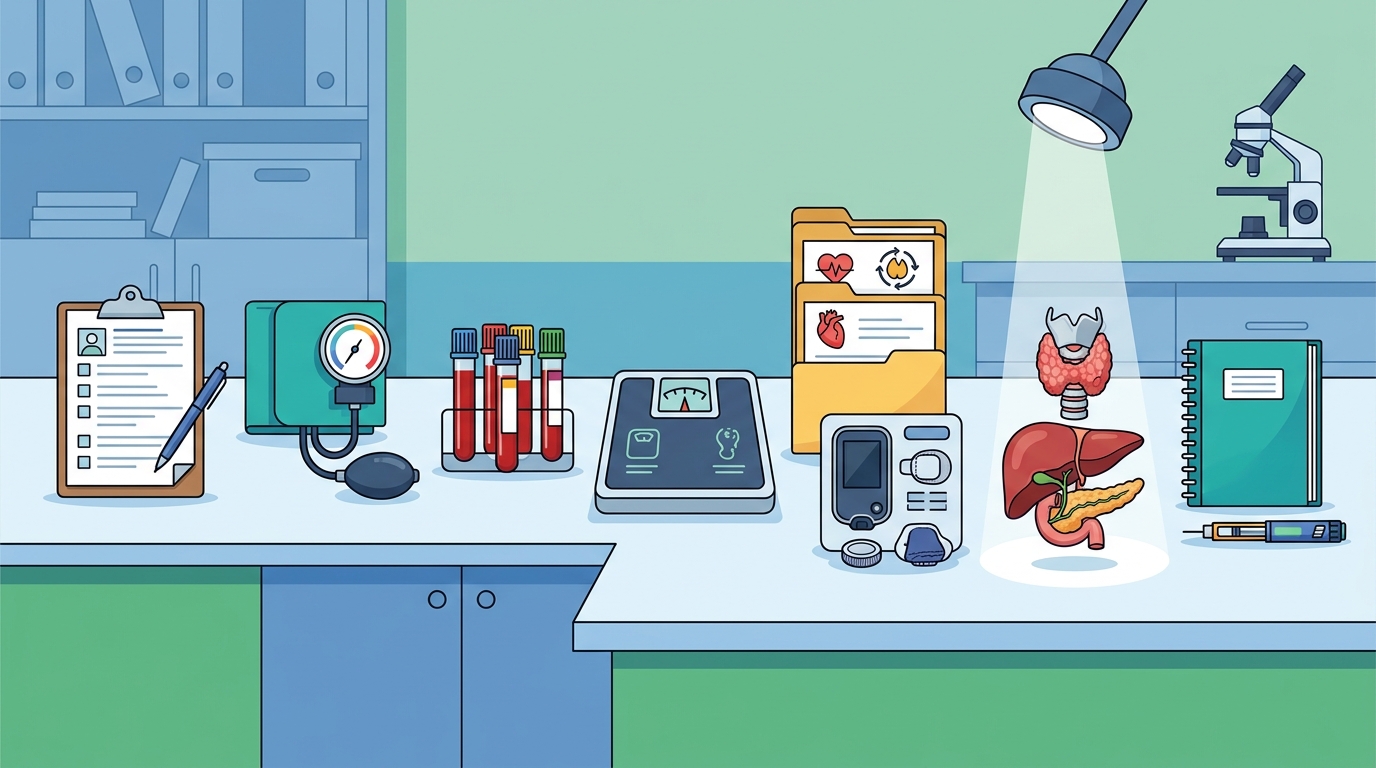
5. Continuous Glucose Monitoring Setup
Real-time glucose data offers insight into daily energy and mood fluctuations. Continuous glucose monitoring (CGM) may be recommended to provide a detailed picture of how your body processes carbohydrates and manages blood sugar levels. This data-driven approach helps identify patterns that contribute to weight gain or energy crashes. It allows for precise dietary and lifestyle recommendations tailored to your specific metabolic response.
6. Lifestyle and Behavioral Counseling
7. Personalized Treatment Plan Development
Choosing the Right Evaluation Approach
When selecting a provider for GLP-1 medical evaluation, look for a practice that prioritizes comprehensive, whole-person care. The evaluation should go beyond simply prescribing medication; it should address the underlying metabolic and hormonal factors that contribute to weight gain. A thorough evaluation ensures that you are a suitable candidate for treatment and sets the stage for long-term success.
Frequently Asked Questions
How long does the GLP-1 medical evaluation take?
The initial evaluation typically involves a detailed consultation and lab work, which may take a few weeks to complete. The provider will review your results and discuss the treatment plan in a follow-up appointment. This process ensures that all aspects of your health are considered before starting treatment.
What labs are usually required for GLP-1 treatment?
Common labs include a complete metabolic panel, lipid profile, thyroid function tests, and HbA1c. These tests assess organ function, cholesterol levels, and blood sugar control. Additional tests may be ordered based on your individual health history and symptoms.
Is continuous glucose monitoring necessary for everyone?
Continuous glucose monitoring is not required for every patient but can be highly beneficial for those with insulin resistance or unexplained energy fluctuations. It provides real-time data that helps tailor dietary and lifestyle recommendations. The provider will determine if CGM is appropriate for your specific situation.
Can I start GLP-1 treatment if I have a history of thyroid issues?
A history of thyroid issues requires careful evaluation and monitoring. The provider will review your thyroid function tests and medical history to determine if GLP-1 treatment is safe for you. Close monitoring will be essential to ensure that your thyroid health remains stable during treatment.
How often will I need to follow up after starting treatment?
Follow-up appointments are typically scheduled every 4 to 8 weeks initially to monitor progress and manage side effects. As your treatment stabilizes, the frequency of visits may decrease. Regular check-ins are crucial for adjusting dosages and ensuring that you are on track to meet your goals.
Does Calia Wellness & Aesthetics offer telehealth for follow-ups?
Start Your Evaluation at Calia Wellness & Aesthetics
Ready to take the first step toward sustainable weight management? At Calia Wellness & Aesthetics, we provide a comprehensive, nurse practitioner-led evaluation that addresses your unique metabolic and hormonal needs. Our approach combines functional medicine with refined aesthetic care to support your overall health and confidence. To begin your journey, to schedule your initial consultation.