
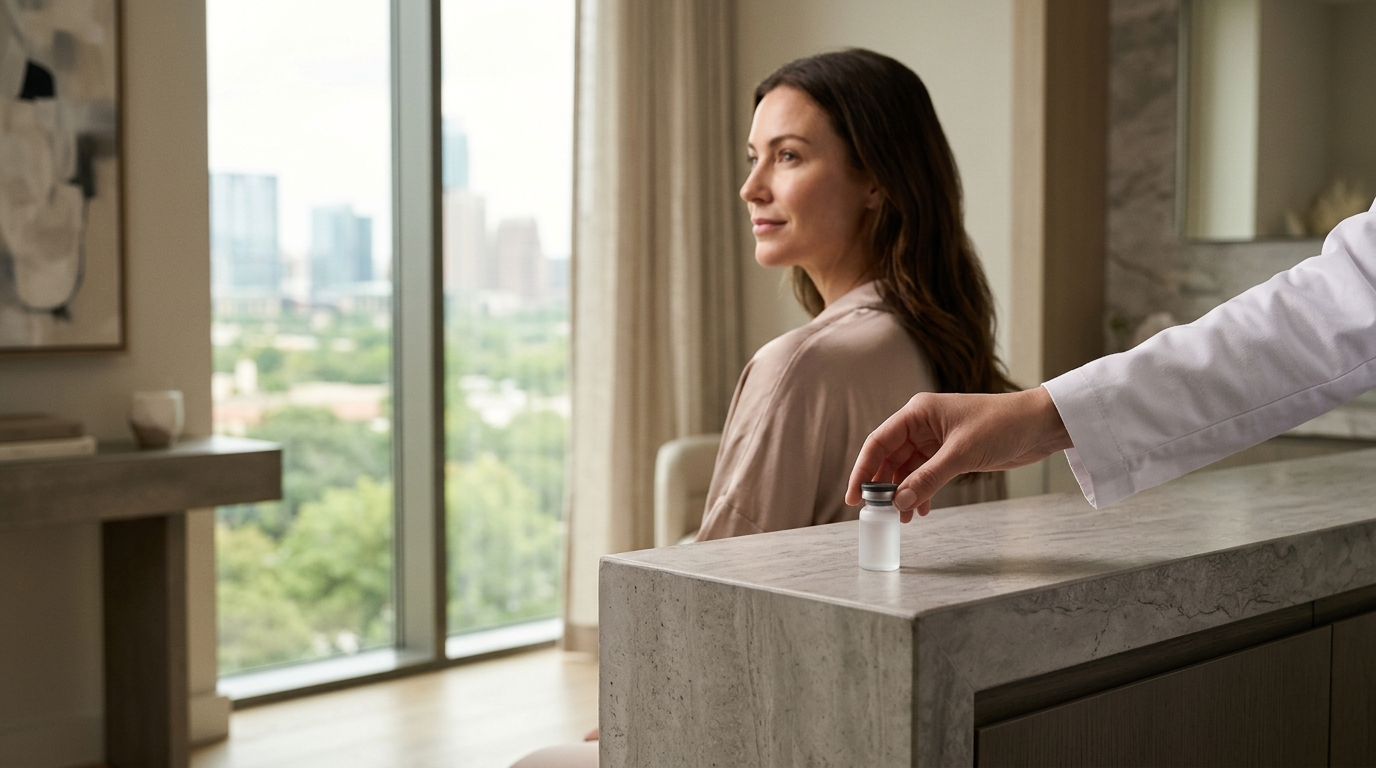
When searching for who does neurotoxin in Austin, TX, the primary factor is the clinical credential of the injector. In Texas, neurotoxin is a prescription medication that must be administered by a licensed healthcare provider, such as a nurse practitioner or physician. This guide covers the landscape of Austin providers, the specific credentials to look for, and how to evaluate medical spa options for safe, natural-looking results. For additional details, review the Integrative Wellness Medical Aesthetics.
Austin Neurotoxin Providers
Boutique vs. High-Volume Clinics
High-volume clinics often prioritize speed and throughput. While they may have many providers, the consultation time can be limited. Boutique practices, such as Calia Wellness & Aesthetics, often focus on unhurried consultations and personalized artistry. These smaller practices typically allow for more detailed discussion of facial anatomy and aesthetic goals.
The Importance of Location and Accessibility
Specialization in Aesthetic Artistry
Not all providers specialize in aesthetics. Some primary care providers offer neurotoxin as an add-on service, while others focus exclusively on cosmetic treatments. A dedicated aesthetic practice is more likely to have the specific training and artistic eye required for subtle, natural results. Look for providers who emphasize a conservative approach, as over-treatment is a common concern among patients.

Injector Credentials and Safety
Verifying the credentials of your injector is the most important step in ensuring safety. In Texas, the administration of neurotoxin is regulated by the state board of nursing and the medical board. Understanding the different levels of licensure helps you make an informed decision.
Board-Certified Nurse Practitioners (FNP-BC)
A Family Nurse Practitioner (FNP) is a licensed advanced practice provider who has completed graduate-level education and clinical training. The "BC" designation indicates board certification, which validates their clinical competence. At Calia Wellness & Aesthetics, the founder is a board-certified FNP with extensive experience in primary care and urgent care. This clinical background ensures that the provider understands the underlying anatomy and potential medical considerations before administering any treatment.
Physicians vs. Advanced Practice Providers
Physicians (MDs or DOs) and Advanced Practice Providers (APPs) such as Nurse Practitioners and Physician Assistants are both qualified to prescribe and administer neurotoxin. The key difference lies in their training focus. Physicians undergo medical school and residency, while APPs undergo graduate nursing or PA programs. Both groups must complete specific training in aesthetic medicine to perform these procedures safely. Always ask to see the provider's license and certification.
Continuing Education and Training
Aesthetic medicine is an evolving field. Reputable providers engage in continuing education to stay current with new techniques and safety protocols. Look for providers who attend conferences, complete advanced training courses, and stay updated on the latest research. This commitment to learning ensures that you receive care based on current best practices.
Medical Spa Options in Austin
Medical spas (med spas) are hybrid facilities that offer medical-grade treatments in a spa-like environment. In Austin, med spas vary widely in their focus, from purely cosmetic to integrative wellness. Understanding the different types of med spas helps you find the right fit for your health goals.
Integrative Wellness and Aesthetics
Some med spas focus solely on cosmetic procedures, while others integrate wellness services. An integrative approach considers the whole person, including hormonal health, metabolic function, and overall well-being. Calia Wellness & Aesthetics combines aesthetic treatments with functional medicine services, such as hormone optimization and metabolic care. This holistic model allows for a more comprehensive approach to aging and health.
Evaluating the Practice Environment
The environment of a med spa can impact your comfort and experience. Look for a clean, professional, and welcoming space. A private, retreat-like environment can help reduce anxiety and make the consultation process more relaxed. At Calia, the practice is designed to be discreet and comfortable, reflecting a philosophy of unhurried, personalized care.
Service Menu and Personalization
| Provider Type | Typical Focus | Consultation Style | Best For |
|---|---|---|---|
| High-Volume Med Spa | Speed and variety | Short, standardized | First-time patients seeking convenience |
| Boutique Aesthetic Practice | Artistry and personalization | In-depth, unhurried | Patients seeking subtle, natural results |
| Integrative Wellness Clinic | Whole-person health | Comprehensive, medical | Patients with underlying health concerns |
Key Takeaways
- Neurotoxin is a prescription medication that must be administered by a licensed healthcare provider in Texas.
- Board certification, such as FNP-BC, is a key indicator of a provider's clinical competence and training.
- Boutique practices often offer more personalized consultations and artistic focus compared to high-volume clinics.
- Integrative wellness clinics combine aesthetic treatments with functional medicine for a holistic approach.
- Always verify the provider's license and specific training in aesthetic medicine before booking an appointment.
- The practice environment and consultation style are important factors in ensuring a comfortable and positive experience.
- Personalized treatment plans are essential for achieving natural-looking results that align with your individual goals.
Frequently Asked Questions
Who is qualified to administer neurotoxin in Austin?
In Texas, neurotoxin can be administered by licensed physicians (MDs or DOs) and Advanced Practice Providers (APPs) such as Nurse Practitioners and Physician Assistants. All providers must hold a valid license and have completed specific training in aesthetic medicine.
What is the difference between a nurse practitioner and a physician?
Physicians complete medical school and residency, while nurse practitioners complete graduate nursing programs. Both are licensed to prescribe and administer medications, including neurotoxin. The choice between them often depends on personal preference and the specific practice model.
How long does a neurotoxin consultation take?
Is neurotoxin safe for all skin types?
Neurotoxin is generally safe for all skin types when administered by a qualified provider. However, individual factors such as medical history and current medications can affect suitability. A thorough medical history review is essential during the consultation.
What should I ask during my consultation?
Ask about the provider's specific training in aesthetic medicine, their approach to natural-looking results, and the potential risks and side effects. You should also discuss your goals and any concerns you have about the treatment.
How often do I need neurotoxin treatments?
Results typically last 3-4 months, after which the muscles gradually return to their normal function. Most patients schedule follow-up appointments every 3-4 months to maintain their results.
Can I combine neurotoxin with other treatments?
Yes, neurotoxin can often be combined with other treatments such as dermal fillers or skin rejuvenation procedures. A comprehensive consultation will help determine the best combination of treatments for your goals.
Conclusion
Choosing the right provider for neurotoxin in Austin requires careful consideration of credentials, practice style, and personal goals. By understanding the differences between provider types and the importance of board certification, you can make an informed decision that prioritizes safety and natural-looking results. For those seeking a personalized, integrative approach to aesthetic care, Calia Wellness & Aesthetics offers a private, unhurried environment where clinical excellence meets warm hospitality. To begin your journey, schedule a consultation with our team to discuss your individual needs.